










What Is an eSIM? A Comprehensive Guide
Introduction
In today’s rapidly evolving tech landscape, staying connected seamlessly has become paramount. Traditional SIM cards, which have long been the standard for connecting mobile devices to cellular networks, are gradually giving way to a more innovative solution known as the eSIM. Understanding “what is an eSIM” can help you leverage this cutting-edge technology, enhancing your digital convenience and connectivity. This article will guide you through the concept, workings, advantages, compatible devices, and challenges associated with eSIMs.
What Is an eSIM?
An eSIM, or Embedded Subscriber Identity Module, is a modern iteration of the traditional SIM card directly embedded into a device. Unlike the physical, removable SIM cards familiar to most users, eSIM technology integrates directly into a smartphone, tablet, smartwatch, or other connected devices. The term “embedded” emphasizes its built-in nature, eliminating the need for physical manipulation to insert or replace SIM cards.
The eSIM differs significantly from traditional SIM cards primarily because of its non-physical form. Users do not need to insert or replace a physical card when switching carriers or plans. Instead, they can manage and activate their cellular subscriptions digitally, directly through their devices.
How Does an eSIM Work?
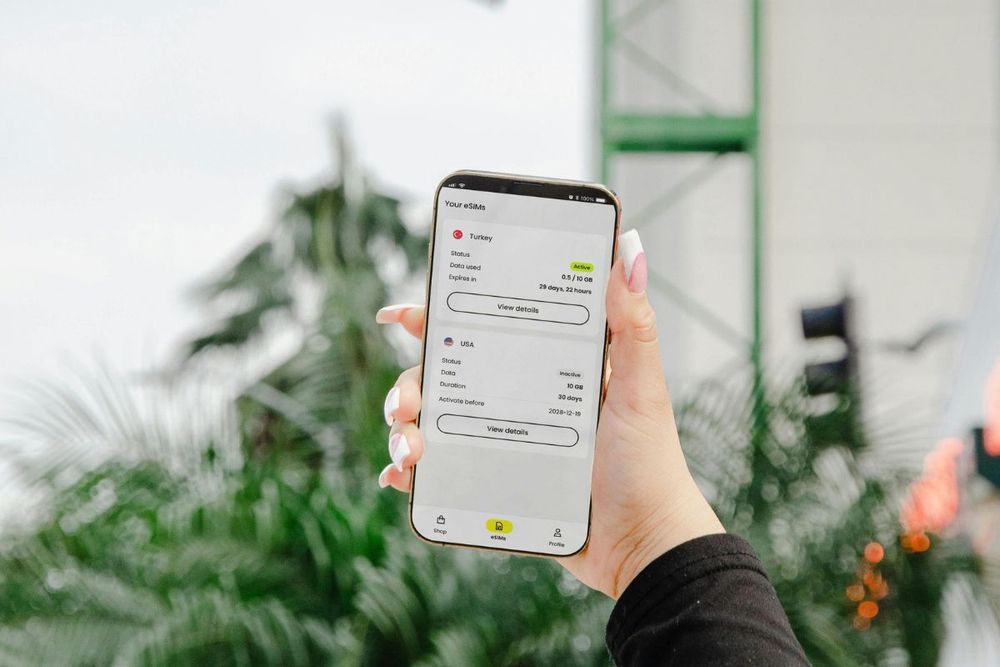
At its core, an eSIM contains the same information that a traditional SIM card carries, such as the subscriber’s identity and the network authorization credentials. However, this data is stored electronically and can be remotely programmed by mobile network operators. Users can conveniently activate, switch, or manage their cellular plans via simple settings within their device’s operating system.
Activating an eSIM typically involves a few straightforward steps:
- Selecting a Carrier: Users choose their preferred carrier that supports eSIM technology.
- Receiving an Activation Code: The chosen carrier provides an activation code, usually in the form of a QR code.
- Activation on Device: Users scan the QR code using their device’s camera or enter the code manually to activate their eSIM profile.
- Connecting to Network: Once activated, the device connects automatically to the carrier’s network, completing the activation process without any physical intervention.
Advantages of eSIMs
No Physical Card Required
The elimination of physical SIM cards is perhaps the most prominent advantage of eSIM technology. Users no longer need to handle small, easy-to-lose SIM cards, simplifying device setup and reducing physical vulnerabilities such as damage or misplacement.
Effortless Carrier Switching
One of the most significant benefits of eSIMs is the ease with which users can switch between carriers or plans. Without needing to physically change the SIM card, users can digitally activate new plans or switch providers quickly and remotely, offering greater flexibility and convenience, especially for frequent travelers.
Dual SIM Capabilities
Many devices supporting eSIM technology also provide dual SIM functionality. This allows users to maintain two cellular profiles simultaneously—such as personal and work numbers—on one device, without the physical constraints of multiple SIM slots.
Devices That Support eSIMs
Today, numerous popular devices across smartphones, tablets, and wearables support eSIM technology. Some of the most notable include:
- Smartphones: Apple iPhone 13 series, iPhone 14 series, Google Pixel 7, Samsung Galaxy S22, and later models.
- Tablets: Apple iPad Pro, iPad Air, Samsung Galaxy Tab S series.
- Wearables: Apple Watch Series 8, Samsung Galaxy Watch 6, Google Pixel Watch.
As technology evolves, the number of eSIM-compatible devices continues to grow, making the technology increasingly mainstream.
Challenges and Limitations of eSIM Technology
While eSIM technology offers considerable benefits, it is not without challenges and limitations:
Carrier Support
Despite growing acceptance, not all mobile carriers worldwide currently support eSIM technology. This limitation can pose barriers, especially for users traveling internationally, where carrier options might be restricted or unavailable.
Adoption and User Awareness
The shift from traditional physical SIM cards to eSIM technology also faces hurdles related to user awareness and adoption. Many consumers remain unfamiliar with eSIM concepts, potentially causing hesitation or confusion when adopting this technology.
Device Compatibility
Not all devices currently available support eSIM technology, limiting options for users who prefer older or budget devices. It might take time for eSIM to become universally standard across all price points and device categories.
Conclusion
The introduction and evolution of eSIM technology signify a significant leap toward simplifying mobile connectivity. By eliminating the constraints associated with traditional SIM cards, eSIM provides unparalleled convenience, flexibility, and adaptability in today’s hyper-connected world. Understanding “what is an eSIM” and its numerous benefits can empower consumers and businesses alike to make more informed choices about connectivity.
As carriers continue expanding their support, and device manufacturers increasingly integrate eSIM capabilities into their offerings, the future of eSIM technology looks promising. Users are encouraged to explore eSIM-compatible devices and experience firsthand the benefits of seamless connectivity.