










eSIM vs. Physical SIM: Key Differences Explained
The world of mobile communication has evolved dramatically over the past few decades. From bulky mobile phones requiring sizable SIM cards to today’s seamless, digitally integrated communication technologies, the transition has been significant. Among these advancements, the emergence of eSIM technology represents a substantial shift from traditional SIM cards, reshaping the way users manage their mobile connectivity. With eSIMs growing rapidly in popularity, understanding the fundamental differences between eSIM vs. physical SIM can help you make informed decisions tailored to your communication needs.
What Is a Physical SIM?
A physical SIM (Subscriber Identity Module) card is a small, removable plastic card that stores essential information like your phone number, network credentials, and personal data needed for authentication on a cellular network. Traditionally used across mobile devices, physical SIM cards come in several sizes, including standard, micro, and nano-SIM, requiring compatibility checks before installation.
Physical SIM cards necessitate manual insertion into your device. If you want to change network providers, you must physically swap out the existing SIM for a new one provided by your chosen carrier. This requirement introduces limitations such as the risk of losing or damaging the tiny card, and the inconvenience of changing cards whenever switching carriers or traveling internationally.
What Is an eSIM?
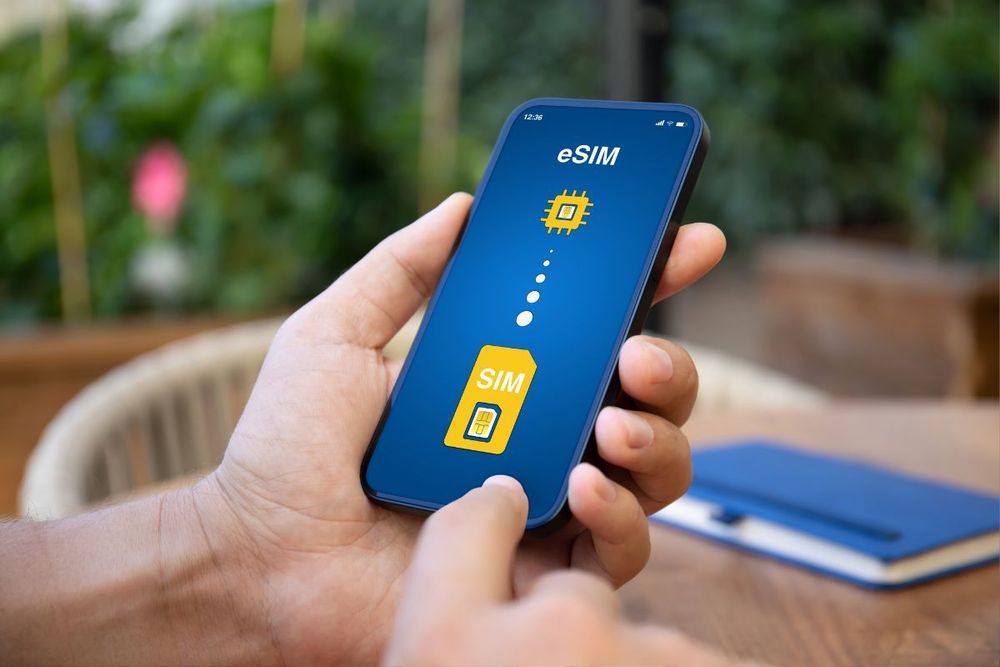
An eSIM (embedded SIM) represents a significant technological advancement by integrating SIM functionality directly into your mobile device. Unlike physical SIM cards, an eSIM is embedded within your phone’s hardware, removing the need for any physical insertion or removal. All the necessary details traditionally stored on physical SIM cards are digitally provisioned onto your device, allowing easy and instantaneous carrier activation or switching.
The eSIM’s embedded nature provides unprecedented convenience, especially for frequent travelers or individuals who regularly switch between network carriers. It simplifies managing multiple mobile plans simultaneously, as all data is stored and managed digitally.
Key Differences Between eSIM and Physical SIM
Installation: Built-in vs. Physical Insertion
- Physical SIM: Requires physical handling and manual insertion into devices.
- eSIM: Integrated directly into devices, eliminating manual installation and removal.
Flexibility: Instant Carrier Switching vs. Manual Swaps
- Physical SIM: Changing networks involves physically swapping out the SIM card.
- eSIM: Offers instant and seamless switching between different carriers without physical intervention.
Storage: Multiple Digital Plans vs. Single SIM
- Physical SIM: Typically limited to one mobile plan per SIM card.
- eSIM: Allows users to store and manage multiple mobile plans simultaneously.
Durability: Immune to Physical Damage or Loss
- Physical SIM: Vulnerable to loss, theft, or physical damage, which can disrupt connectivity.
- eSIM: Protected from physical risks as it’s permanently embedded in the device.
Advantages of Each Technology
Benefits of Physical SIMs
- Compatibility: Physical SIM cards are universally compatible with almost all mobile phones, including older models, offering widespread usability.
- Easy Replacement: In case of damage or loss, physical SIM cards can be replaced quickly and inexpensively at most carrier stores.
- Privacy: Some users prefer physical SIMs due to perceived better privacy control, allowing them to physically remove network access when desired.
Advantages of eSIMs
- Convenience: Eliminates the need for physical handling, simplifying the activation and switching of carriers.
- Travel-Friendly: Ideal for travelers, allowing easy access to local carriers without the hassle of purchasing and swapping physical SIM cards.
- Space Efficiency: Integrated eSIMs free up valuable space within devices, enabling slimmer and more lightweight device designs.
- Multiple Plans: eSIM technology makes managing multiple phone numbers or mobile plans straightforward, particularly beneficial for business users or individuals frequently crossing international borders.
Which One Should You Choose?
Selecting between an eSIM and a physical SIM largely depends on your specific mobile usage and lifestyle requirements:
- Frequent Travelers: eSIMs offer significant advantages, allowing seamless switching to local carriers without the hassle of manual SIM swaps. This flexibility can significantly reduce roaming costs and simplify international connectivity.
- Multi-Carrier Users: If you frequently switch between multiple carriers, an eSIM provides unmatched convenience by digitally managing multiple plans simultaneously without the physical card-swapping hassle.
- Budget-Conscious Individuals: Physical SIM cards might be more suitable due to their widespread compatibility and the ease of obtaining affordable plans, especially in regions where eSIM technology adoption is still limited.
- Privacy Advocates: Those preferring direct physical control over their connectivity might find traditional SIM cards preferable, providing an easy way to completely disconnect when needed.
Understanding the differences between eSIM and physical SIM technologies can significantly enhance your mobile experience. While physical SIM cards continue to serve users effectively, especially those using older devices, eSIM technology represents the future, offering convenience, durability, and flexibility tailored to today’s fast-paced, connected lifestyles.
Whether you’re an international traveler, a tech enthusiast embracing digital innovations, or someone simply looking for more convenience, eSIM technology provides compelling benefits that make it worth exploring. Assess your personal mobile needs carefully, and choose the SIM option that best aligns with your lifestyle and usage patterns.